

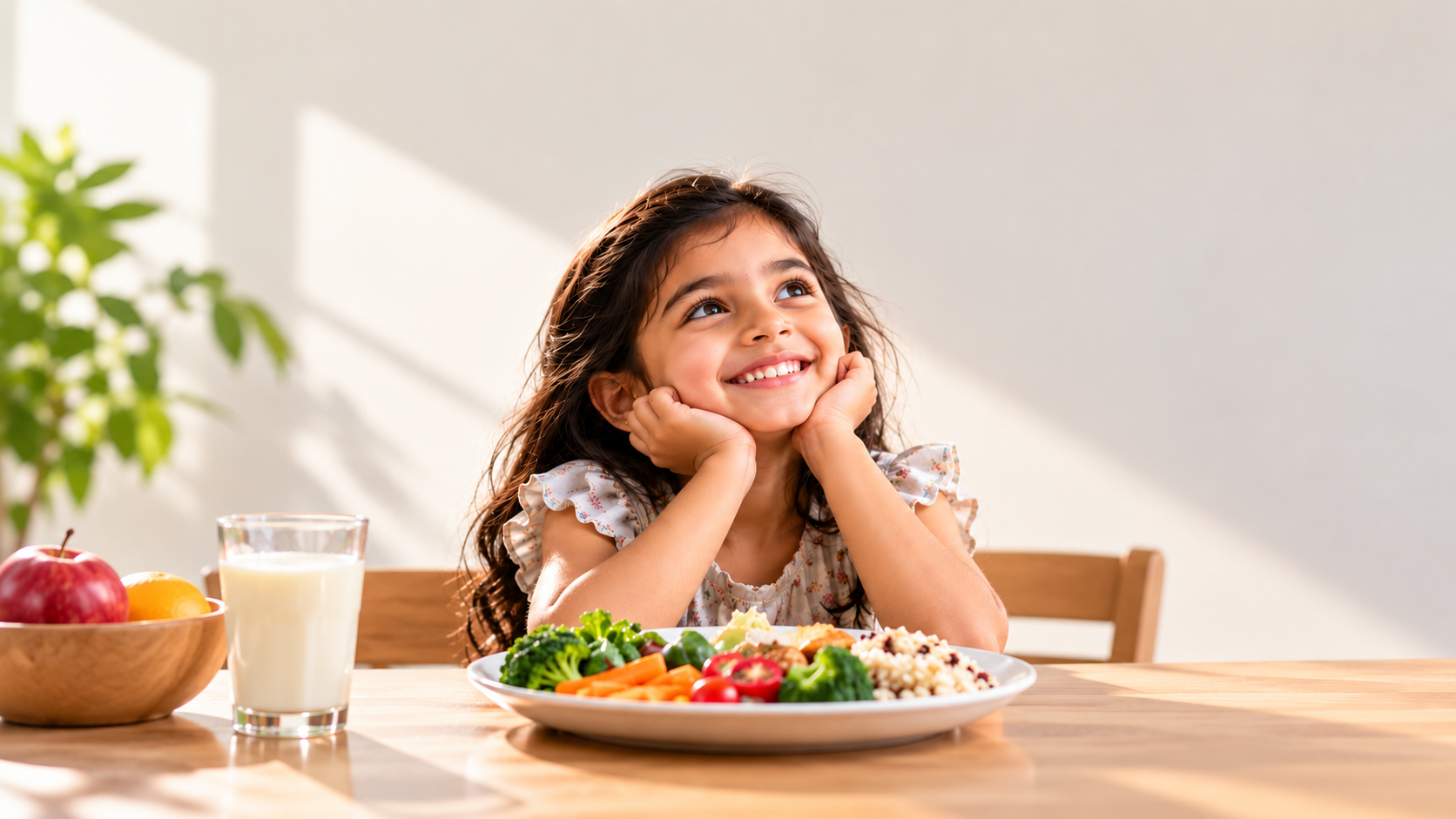
The Childhood Years: A Critical Window for Growth & Development
Childhood is more than a period of growing taller, learning new words and becoming more independent.
It is a remarkable period when a child’s body, brain, habits, abilities and confidence are developing together.
Every meal, every opportunity to play, every new experience, every bedtime story and every caring interaction becomes part of a child’s journey. Nutrition is an important part of that journey because a growing child needs a regular supply of energy and essential nutrients to support normal growth and development.
That is why the childhood years deserve more than occasional attention to nutrition. They deserve thoughtful, everyday care.
Why Are the Childhood Years So Important?
Children are constantly changing.
Their bones are developing. Their muscles are becoming stronger. Their brains are learning and adapting. Their immune systems are developing. Their bodies are building the foundations they will carry into later stages of life.
According to the World Health Organization, healthy growth and development depend on more than nutrition alone. Children also need good health, safety and security, opportunities for learning, responsive caregiving, physical activity and an environment that allows them to explore and develop.
Nutrition is therefore one important piece of a much bigger picture.
A child does not need a perfect day every day.
What matters is creating healthy patterns over time.
Growth Is About More Than Height and Weight
When parents think about a child’s growth, height and weight are often the first things that come to mind.
These measurements are important indicators of physical growth, but childhood development is much broader.
A growing child is also developing:
- Stronger bones and muscles
- Cognitive and learning abilities
- Communication and social skills
- Physical coordination
- Healthy eating habits
- Independence and confidence
- Everyday routines and behaviours
This is why looking only at whether a child “looks healthy” does not provide the complete picture.
Healthy growth is a combination of physical development, nutrition, health, learning, relationships and environment.
Nutrition Provides the Raw Materials for Growth
Think of a growing child as a house that is continuously being built.
The body needs the right raw materials to support that process.
Protein contributes to the maintenance and development of muscles and other tissues. Calcium and vitamin D are important for bones. Iron is needed for the formation of haemoglobin and normal oxygen transport. Zinc contributes to normal growth and many other physiological processes. Vitamins and minerals perform numerous roles throughout the body.
No single nutrient does everything.
And no single food provides everything a child needs.
That is why dietary variety matters.
The WHO describes a healthy diet around four broad principles: adequacy, balance, moderation and diversity.
For children, this means building meals around a variety of nutritious foods rather than concentrating on one particular “superfood.”
A Colourful Plate Can Tell a Bigger Story
A child’s plate can be a simple reminder of nutritional variety.
Depending on the child’s age, culture, dietary preferences and individual needs, a balanced eating pattern may include foods such as:
Fruits and vegetables
Sources of vitamins, minerals, fibre and other beneficial compounds.
Whole grains and other staple foods
Important sources of energy and, depending on the food, fibre and micronutrients.
Pulses, beans, nuts and seeds
Useful sources of protein and various vitamins and minerals.
Eggs, dairy and other animal-source foods
Can provide protein and important micronutrients, depending on the food and dietary pattern.
Healthy fats
Important because dietary fat contributes energy and helps the body absorb certain fat-soluble vitamins.
The goal isn’t to make every plate perfect.
The goal is to make nutritional variety a normal part of childhood.
The Brain Needs Nutrition Too
Childhood is also a period of enormous learning.
Children are discovering language, solving problems, remembering information, developing motor skills, forming relationships and understanding the world around them.
Nutrition does not work like a magic switch for intelligence or academic performance. But the brain, like every other organ, depends on adequate nutrition to function normally.
This is one reason why children’s nutrition should not be viewed only through the lens of physical growth.
A nourishing childhood supports the whole child.
Small Gaps Can Become Important Over Time
One missed vegetable or one skipped breakfast does not define a child’s nutritional status.
Parents do not need to feel guilty about every imperfect meal.
The bigger picture is the pattern that develops over weeks, months and years.
If a child’s diet consistently lacks variety or regularly provides inadequate amounts of important nutrients, nutritional gaps can become a concern.
Micronutrients—including vitamins and minerals—are required in relatively small amounts, but they play important roles in normal growth and development. WHO notes that deficiencies in nutrients such as iron, vitamin A and iodine remain important global nutrition concerns, particularly for children.
This is why dietary adequacy over time matters more than chasing a single nutrient or fashionable “superfood.”
Childhood Nutrition Is Also About Habits
There is another reason the childhood years matter so much.
Children are learning what food means.
They are discovering flavours, textures and routines. They are developing preferences. They are observing what the adults around them eat.
The World Health Organization notes that healthy dietary practices established during childhood and adolescence can continue into adulthood.
That makes childhood an opportunity—not a period to fear.
Parents can gradually help children learn to:
- Enjoy a variety of foods
- Eat more fruits and vegetables
- Drink water regularly
- Recognise hunger and fullness cues
- Develop positive mealtime routines
- Try unfamiliar foods without pressure
- Understand that food is part of caring for the body
These lessons can be more valuable than simply telling a child that a particular food is “healthy.”
What About Picky Eating?
Picky eating is a familiar challenge for many parents.
A child who happily ate vegetables last month may suddenly reject them this month. Another child may want the same food every day. Some children have strong preferences for particular textures, colours or flavours.
This can make parents wonder whether their child is getting enough nutrition.
The answer isn’t always straightforward.
Instead of focusing on one meal, parents can look at the child’s overall eating pattern and variety across time.
Offering different nutritious foods, keeping mealtimes positive and avoiding unnecessary pressure can help create a healthier relationship with food.
If parents have concerns about a child’s growth, appetite, eating behaviour or nutritional intake, a paediatrician or qualified nutrition professional can provide individual guidance.
Nutrition Is Important—But It Isn’t Everything
One of the most important things parents can remember is that healthy childhood development isn’t created by food alone.
Children also need:
Sleep
Rest supports health, development and everyday functioning.
Movement and play
Active play gives children opportunities to develop physical skills and enjoy movement.
Learning
Reading, talking, exploring, playing and asking questions all contribute to development.
Love and security
Children thrive in environments where they feel safe, supported and cared for.
Healthy routines
Consistent everyday habits can provide structure and stability.
WHO describes these interconnected elements as part of a nurturing environment for healthy growth and development.
So, when we talk about “child nutrition,” we should really be thinking about the whole child.
The First Years Deserve Special Attention
The earliest years are particularly important.
UNICEF identifies the period from pregnancy through a child’s second birthday—the first 1,000 days—as a particularly critical period for nutrition and development.
But the importance of nutrition does not suddenly disappear after a child’s second birthday.
Children continue to grow, learn, develop physically and establish eating habits throughout childhood and adolescence.
That means parents should continue paying attention to dietary quality, variety and overall wellbeing as children grow.
What Can Parents Do Every Day?
Supporting healthy child growth does not require complicated routines.
Small, consistent actions can make a meaningful difference.
1. Think variety, not perfection
Try to offer a range of nutritious foods across the day and week.
2. Make meals colourful
Different fruits and vegetables can add variety, flavour and important nutrients.
3. Build positive food habits
Let children see adults enjoying nutritious foods and create relaxed mealtimes whenever possible.
4. Look at the bigger picture
One meal rarely tells the whole story. Consider the child’s overall eating pattern.
5. Pay attention to growth and development
Regular health check-ups can help parents and healthcare professionals monitor a child’s growth and wellbeing.
6. Don’t ignore persistent concerns
If a child consistently eats a very limited range of foods, has difficulty eating, shows concerning changes in growth or has other nutritional concerns, professional advice can be valuable.
7. Remember that supplements are not substitutes for food
A children’s supplement may have a role in specific circumstances, but it should complement—not replace—a balanced and varied diet. Parents should consider their child’s individual needs and seek professional advice where appropriate.
Give Childhood the Nutrition It Deserves
Childhood doesn’t come with a rewind button.
The meals we serve, the habits we encourage and the environment we create all contribute to a child’s journey of growing and learning.
That doesn’t mean parents need to achieve perfection.
It means paying attention.
Offering variety.
Creating healthy routines.
Encouraging movement and play.
Supporting curiosity and learning.
And making good nutrition part of everyday childhood rather than something we think about only when a problem appears.
Because healthy growth is not built in a single meal.
It is built through thousands of small moments.
One meal. One habit. One day at a time.
And those everyday moments can help give a child the strong nutritional foundation they need as they continue to grow, learn and discover the world around them.
A Note for Parents
Every child is different. Nutritional requirements vary according to age, growth, activity level, health status, dietary pattern and other individual factors. This article is intended for general educational purposes and is not a substitute for personalised medical or nutritional advice. If you have concerns about your child’s growth, development or nutrition, speak with a qualified paediatrician or nutrition professional.
Chew Bees — Deliciously Healthy.
Explore our children’s nutrition range and learn more about making everyday nutrition a positive part of growing up.
